The Universe Universe visualization

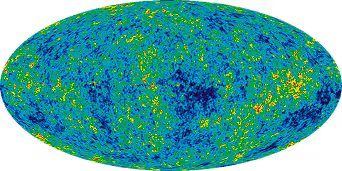
Animated sequence of astronomical maps from different NASA and ESA missions, each showing a distinct scientific dataset using colour-coded data. Source.

Image credit: NASA, ESA, JPL-Caltech; Two Micron All-Sky Survey (2MASS); Planck Collaboration (HFI & LFI Consortia); NASA/WMAP Science Team
is Everything

It is vast, and we can only observe a portion of it (the observable universe). Beyond what we see, everything has been expanding since the Big Bang about 13.8 billion years ago. It includes everything that exists such as space, time, matter, and energy, from tiny particles to huge galaxies, and it remains in constant motion and expansion. The Milky Way is just one of billions of galaxies in the observable universe.
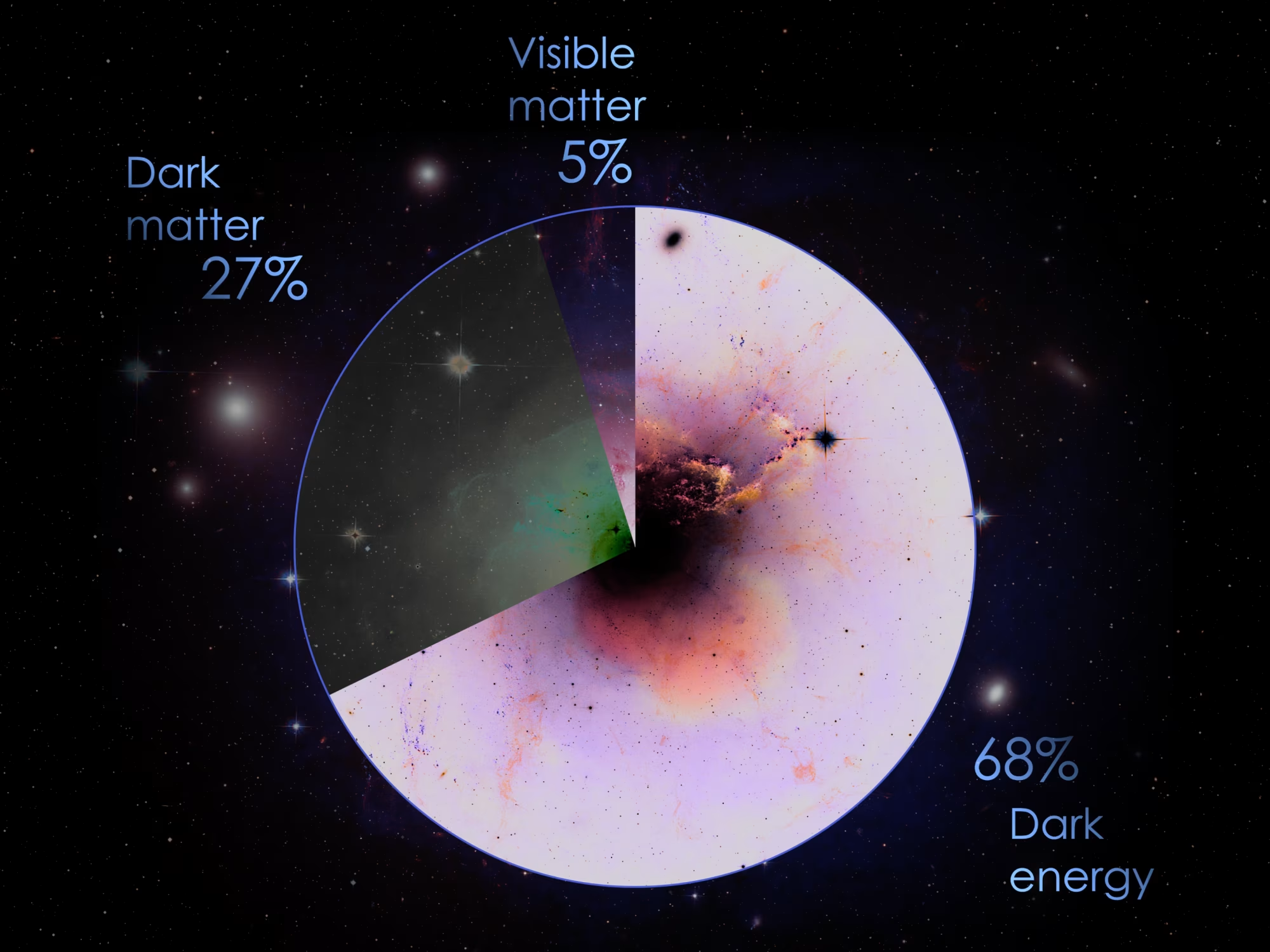
Content of the Universe Pie Chart
Image credit: NASA's Goddard Space Flight Center
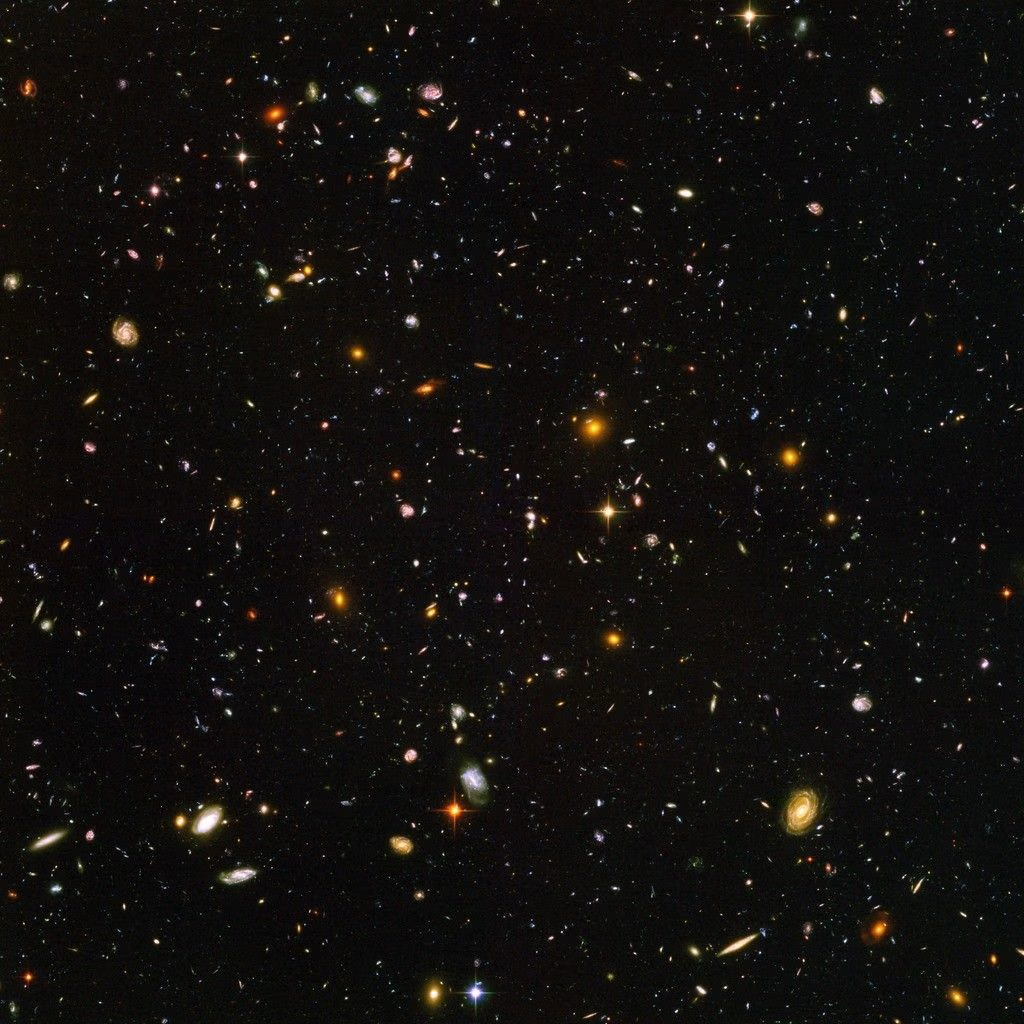
Hubble reveals observable universe contains 10 times more galaxies than previously thought
Large Scale Structures

Large Scale Structures

Collections of galaxies bound together by gravity
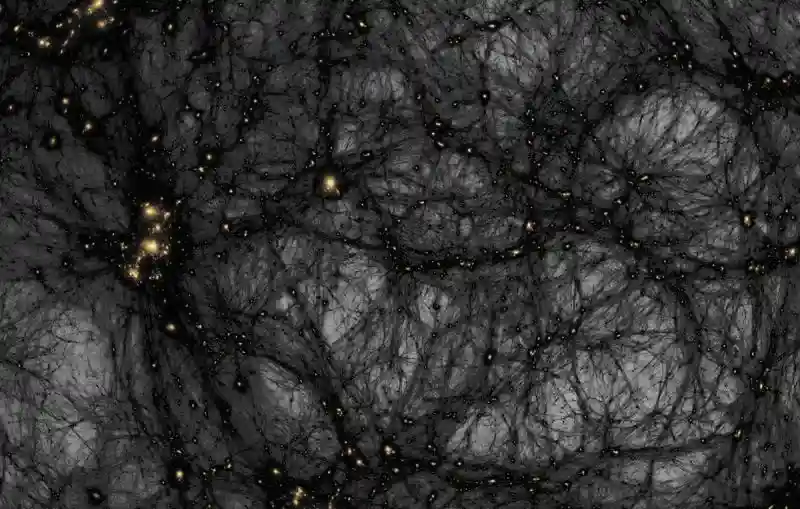
Dark Matter & Dark Energy

Dark Matter & Dark Energy

The invisible substance and force that make up most of the universe.
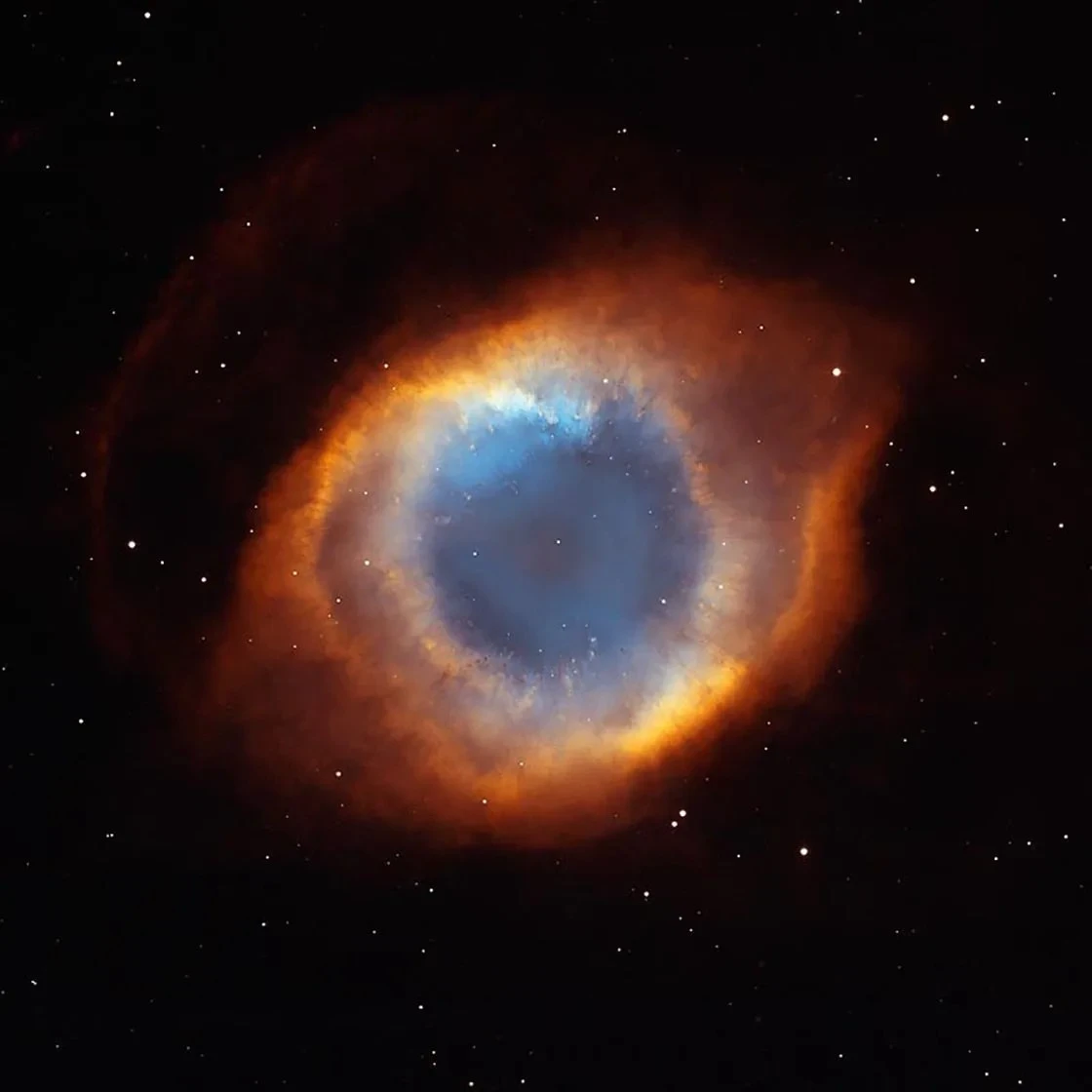
Nebula

Nebula

Nebulae are made of dust and gases—mostly hydrogen and helium
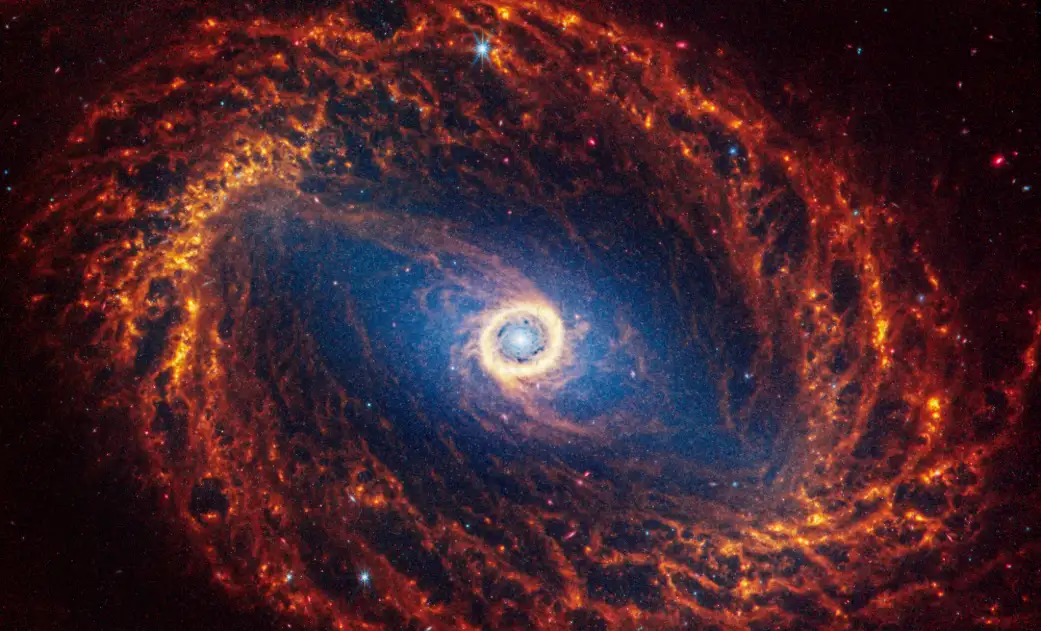
Galaxies

Galaxies

Galaxies consist of stars, planets, and vast clouds of gas and dust, all bound together by gravity.
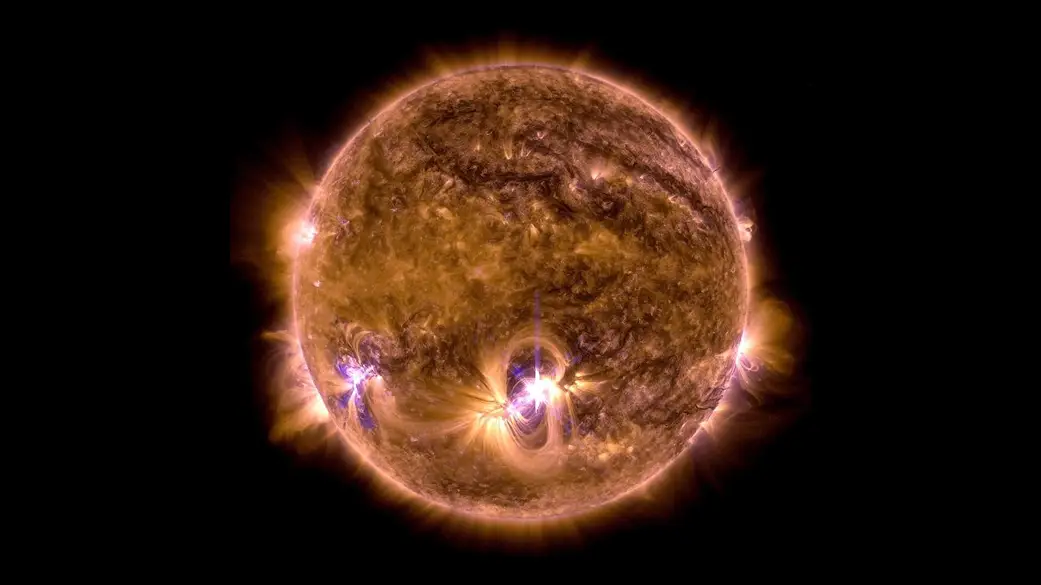
Stars

Stars

Estimated stars in the universe: up to one septillion (10²⁴) stars
Exoplanets

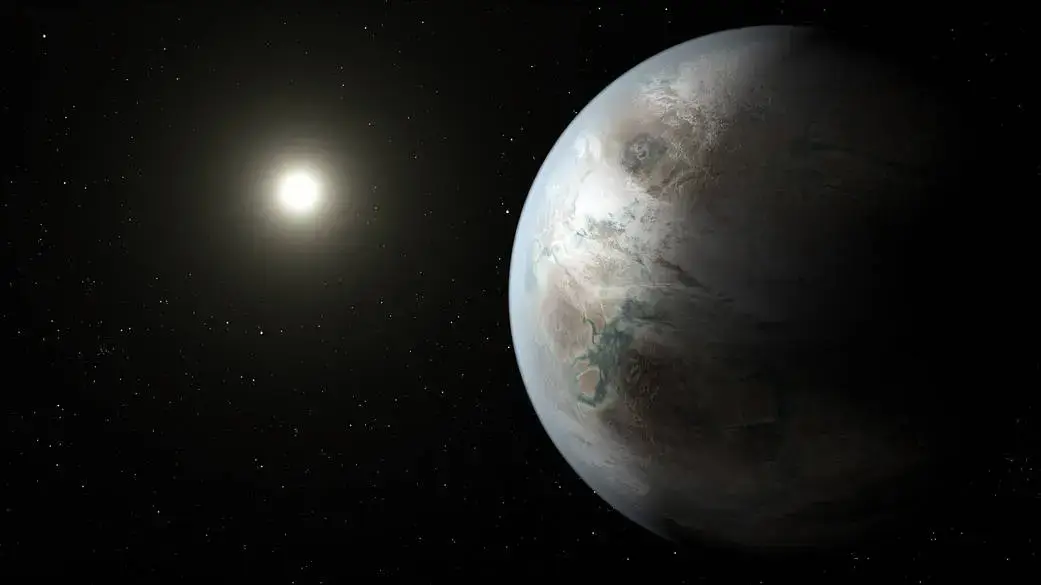
Exoplanets

An exoplanet is any planet beyond our solar system.
Supernova

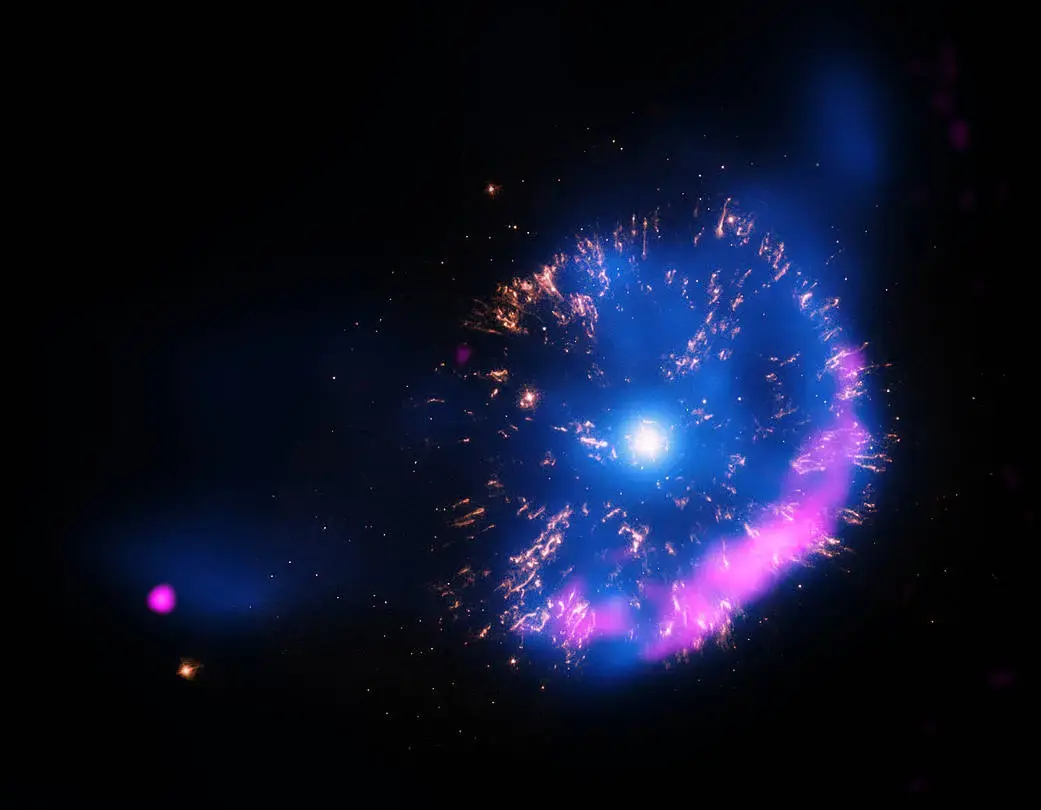
Supernova

A supernova is the biggest explosion that humans have ever seen
Neutron Stars

Neutron Stars

Neutron stars are formed when a massive star runs out of fuel and collapses
Black Holes

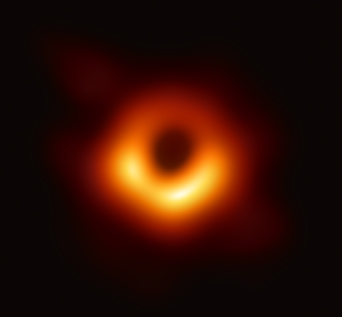
Black Holes

The most mysterious cosmic objects, much studied but not fully understood.
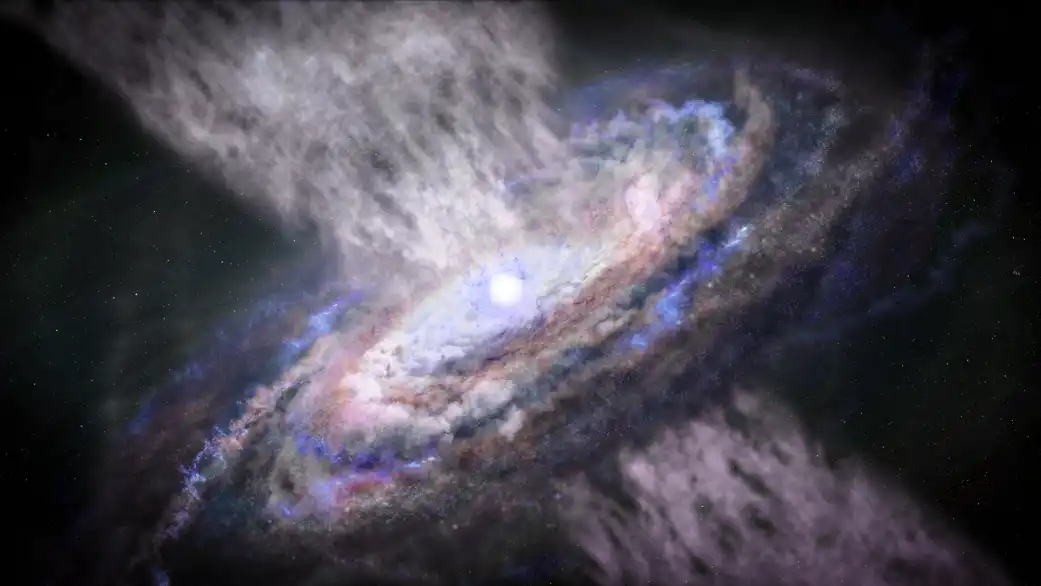
Quasars

Quasars

Accreting supermassive black holes can be among the brightest objects in the universe

Our Milky Way

A spiral galaxy with a disk of stars over 100,000 light-years across, containing stars, planets, and vast clouds of gas and dust. Approximately 90% of its mass is invisible dark matter, while the visible 10% includes the luminous stars, interstellar gas (90% hydrogen, 10% helium), and dust, all held together by gravity.

The supermassive black hole in the center of the Milky Way is called Sagittarius A*. It is as massive as 4 million Suns. The Milky Way and Andromeda Galaxy are the two largest spiral galaxies in the Local Group and are moving toward each other under mutual gravity.
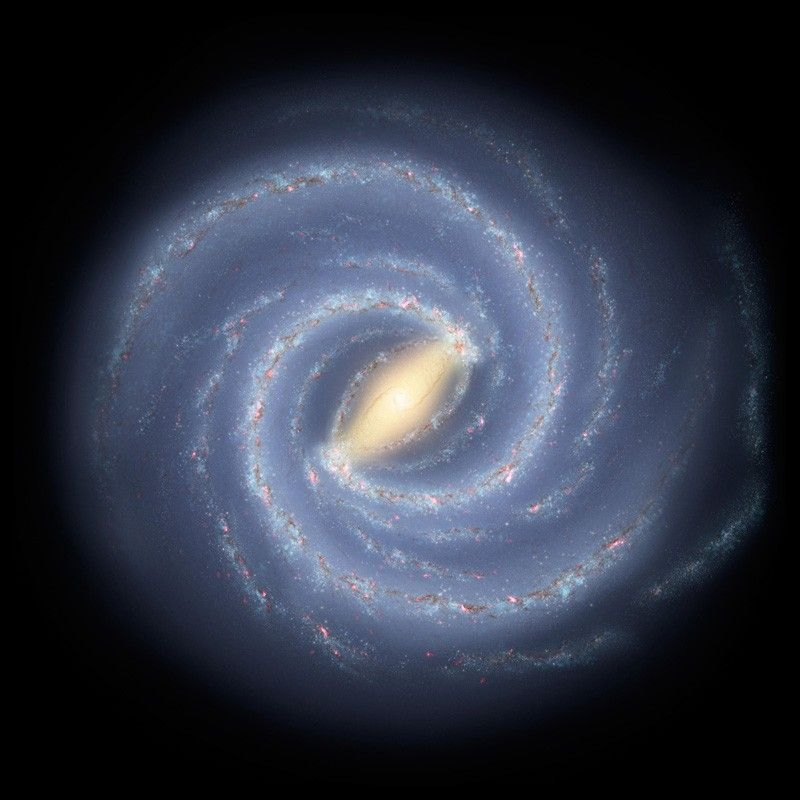
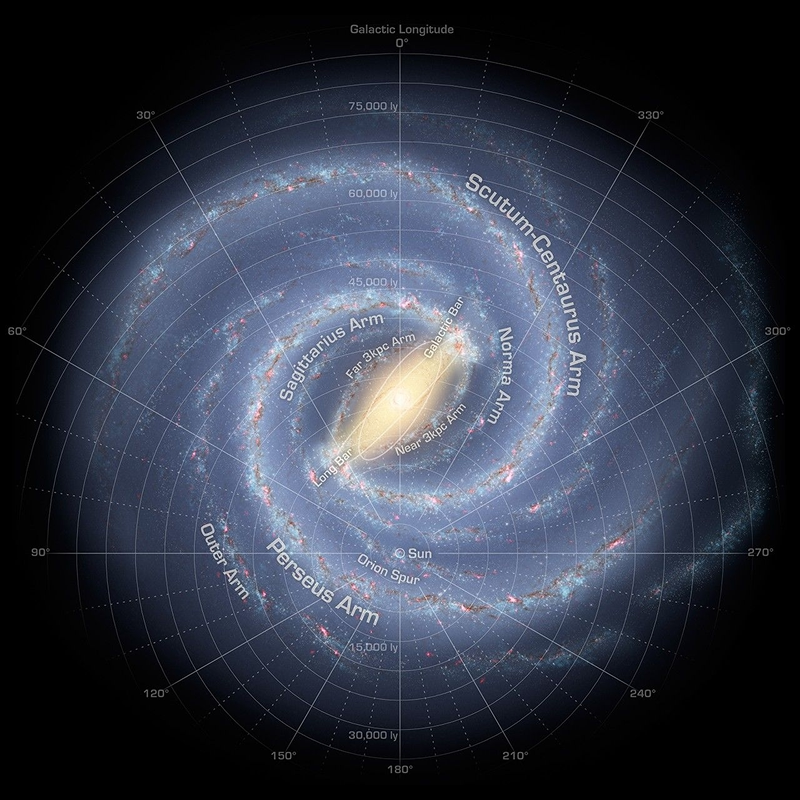
Milky WayMilky Way labelled
Image credit: NASA/JPL-Caltech/R. Hurt (SSC/Caltech)

The Solar System

Our Solar System consists of the Sun and its orbiting celestial bodies, with the Sun located in a small section of the Milky Way called the Orion Arm, or Orion Spur. The Sun formed in a giant, spinning cloud of gas and dust called the solar nebula.

As the nebula collapsed under its own gravity, it spun faster and flattened into a disk. Most of the nebula's material was pulled toward the center to form our Sun, which accounts for 99.8% of our solar system's mass. Much of the remaining material formed the planets and other objects that now orbit the Sun. (The rest of the leftover gas and dust was blown away by the young Sun's early solar wind.)

1 weeksimulated per second
SlowFast
4.6BYears Old
828k km/hGalactic Speed
230M YrsGalactic Orbit
08Planets
05Dwarf Planets
1.4M+Asteroids
4,050Comets
891 MoonsOf Planets, Dwarfs & Asteroids
300+Robotic Spacecraft
  • The first four planets from the Sun are Mercury, Venus, Earth, and Mars.
  • These inner planets are called terrestrial planets because they have solid surfaces.
  • The giant planets in the outer solar system do not have hard surfaces; they have swirling gases above a core.
  • Jupiter and Saturn are gas giants, while Uranus and Neptune are ice giants.
  • Dwarf planets include Pluto, Ceres, Makemake, Haumea, and Eris.
  • Dwarf planets Pluto, Eris, Haumea, and Makemake are all Kuiper Belt objects that have moons.
  • Ceres is the only dwarf planet in the inner solar system and is located in the main asteroid belt between Mars and Jupiter.
99.86%

Sun

The overwhelming heart of the system. It contains 333,000 times the mass of Earth, exerting the gravity that keeps everything in orbit.

0.133%

Planets

The eight major planets. Jupiter holds 71% of this mass; essentially, the solar system is the Sun, Jupiter, and some leftover debris.

0.003% - 0.01%

Comets (Oort Cloud)

A vast, spherical shell of icy objects. While numerous, their combined mass is likely only 5 to 20 Earth masses, though this remains the hardest to measure.

0.0001%

Moons & Satellites

All natural satellites. Despite their numbers, their combined mass is small; Ganymede and Titan alone provide a significant portion.

0.00003%

Kuiper Belt

The icy ring beyond Neptune. It is surprisingly sparse, containing only about 1/10th to 1/30th the mass of the Earth.

0.0000005%

Asteroids (Main Belt)

Rocky debris between Mars and Jupiter. The entire belt’s mass is less than 5% of our Moon; Ceres alone accounts for a third of it.

<0.000000001%

Meteoroids & Dust

Includes the Zodiacal dust cloud. While it covers a massive volume, the total mass is equivalent to just one large asteroid spread very thin.

Negligible

Interplanetary Medium

The solar wind and plasma. Though it fills the 'empty' space, its density is so low it contributes virtually nothing to the system's total mass.

Merriam-Webster dictionary defines a planet as "any of the large bodies that revolve around the Sun in the solar system." But in 2006, the International Astronomical Union (IAU), the organisation responsible for defining and naming objects in our Solar System, adopted a new definition of the term “planet,” which led to Pluto's reclassification as a dwarf planet.

To be classified as a planet, a celestial body must meet three criteria:

  • It must orbit a star (in our cosmic neighbourhood, the Sun).
  • It must be large enough to have sufficient gravity to force it into a spherical shape.
  • It must be large enough that its gravity has cleared away other objects of a similar size near its orbit around the Sun.

According to the 2006 IAU Resolution, "a dwarf planet is an object in orbit around the Sun that is large enough to pull itself into a nearly round shape but has not been able to clear its orbit of debris."
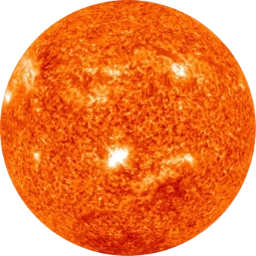
Sun
Star

Sun

Yellow Dwarf Star

Age4.6B Yrs
Core Temp15M °C
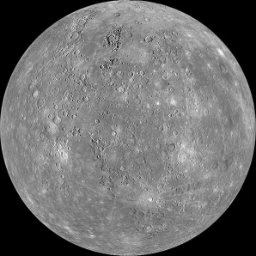
Mercury
Terrestrial

Mercury

The Swift Planet

Distance0.4 AU
Moons0
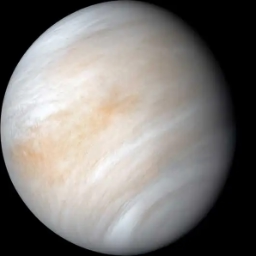
Venus
Terrestrial

Venus

Earth's Toxic Twin

Distance0.72 AU
Moons0
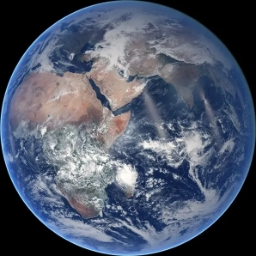
Earth
Terrestrial

Earth

Our Pale Blue Dot

Distance1.0 AU
Moons1
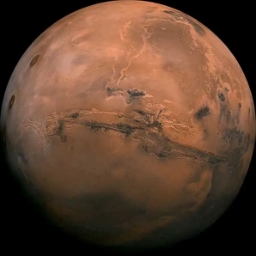
Mars
Terrestrial

Mars

The Red Planet

Distance1.52 AU
Moons2
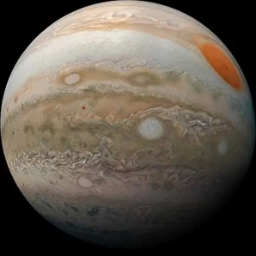
Jupiter
Gas Giant

Jupiter

King of the Planets

Distance5.20 AU
Moons95
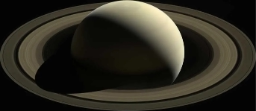
Saturn
Gas Giant

Saturn

The Ringed Wonder

Distance9.54 AU
Moons274
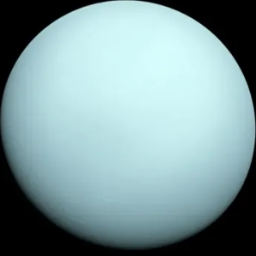
Uranus
Ice Giant

Uranus

The Sideways Planet

Distance19.20 AU
Moons28
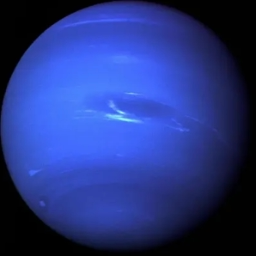
Neptune
Ice Giant

Neptune

The Windiest World

Distance30.07 AU
Moons16
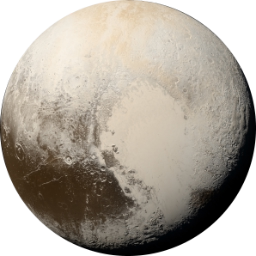
Pluto
Dwarf Planet

Pluto

The Heart of the Kuiper Belt

Distance29.6 AU to 49.3 AU
Moons5
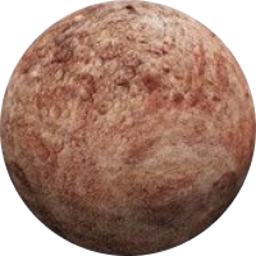
Makemake
Dwarf Planet

Makemake

The Easter Bunny World

Distance45.8 AU
Moons1
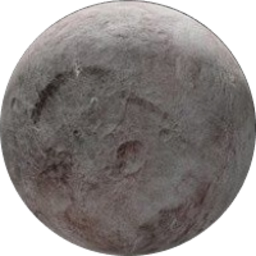
Eris
Dwarf Planet

Eris

The Distant Discord

Distance68.0 AU
Moons1
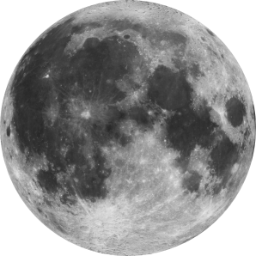
Moon
Moon

Moon

Earth's Faithful Companion

OrbitsEarth
Period27.3 Earth days
Io
Moon

Io

The Volcanic Inferno

OrbitsJupiter
Period1.77 Earth days
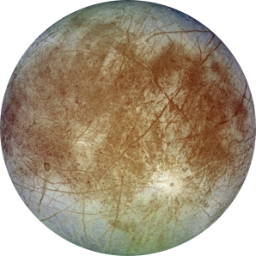
Europa
Moon

Europa

The Ocean World

OrbitsJupiter
Period3.55 Earth days
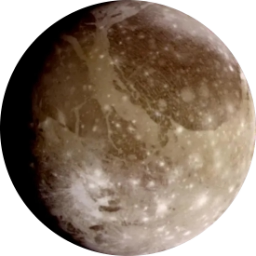
Ganymede
Moon

Ganymede

The Giant Moon

OrbitsJupiter
Period7.15 Earth days
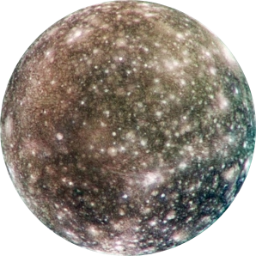
Callisto
Moon

Callisto

The Ancient One

OrbitsJupiter
Period16.69 Earth days
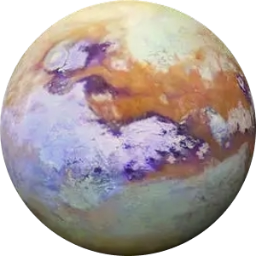
Titan
Moon

Titan

The Hazy Orange Moon

OrbitsSaturn
Period15.95 Earth days
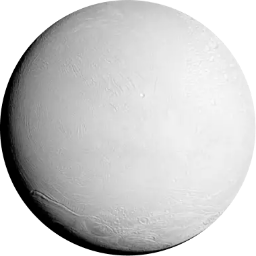
Enceladus
Moon

Enceladus

The Icy Geyser Moon

OrbitsSaturn
Period1.37 Earth days

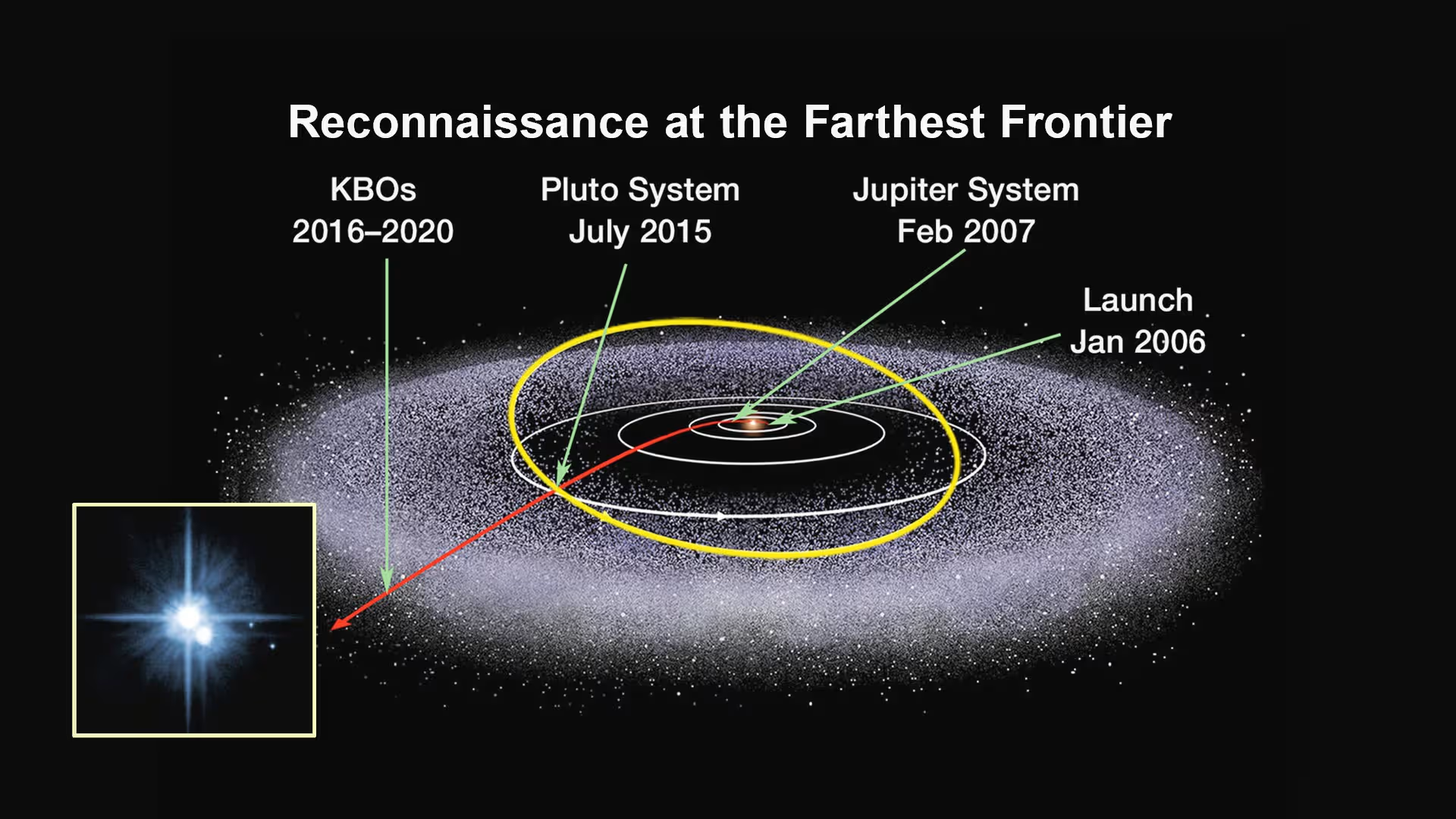
The Kuiper Belt

The Kuiper Belt sits in the outer solar system past Neptune's orbit, often called the solar system's "third zone." Scientists believe millions of small, icy objects exist here, with hundreds of thousands over 100 kilometers wide. Some objects, like Pluto, exceed 1,000 kilometers across. Besides rock and water ice, Kuiper Belt objects contain various frozen compounds including ammonia and methane.

Similar to the asteroid belt, the Kuiper Belt is a region of leftovers from the solar system's early history. Like the asteroid belt, it has also been shaped by a giant planet, although it's more of a thick disk (like a donut) than a thin belt.

Kuiper Belt: In Depth
Image credit: NASA

Named for Gerard Kuiper (1951 paper) and Kenneth Edgeworth (1940s papers). Also called the Edgeworth-Kuiper Belt or Trans-Neptunian Region. Still being explored today—our understanding continues to evolve.

Contains millions of small, icy objects—hundreds of thousands over 100 km wide, some (like Pluto) over 1,000 km. Total mass estimated at just 10% of Earth's mass. These are remnants from the solar system's formation.

Neptune's gravity prevented these icy objects from forming a planet. Early in solar system history, shifting orbits of giant planets scattered most original material (7-10 Earth masses). What remains is slowly eroding away.

Objects with relatively circular orbits between 40-50 AU, not tilted much from the planetary plane. They maintain consistent distance from the Sun throughout their orbits.

Objects with more elliptical and tilted orbits in the same 40-50 AU range. They wander over larger distance ranges—sometimes closer, sometimes farther from the Sun.

KBOs in stable, repeating orbital patterns synchronized with Neptune. Their orbits are tightly controlled by the giant planet's gravitational influence.

Extends far beyond the main belt, overlapping its outer edge and continuing to ~1,000 AU. Eris, the largest known member, resides here. Contains objects on highly varied orbits.

The Kuiper Belt is a source of comets, though not the only one. The more distant Oort Cloud (surrounding the entire solar system) also generates comets. Don't confuse the two regions.

Lagrange Points

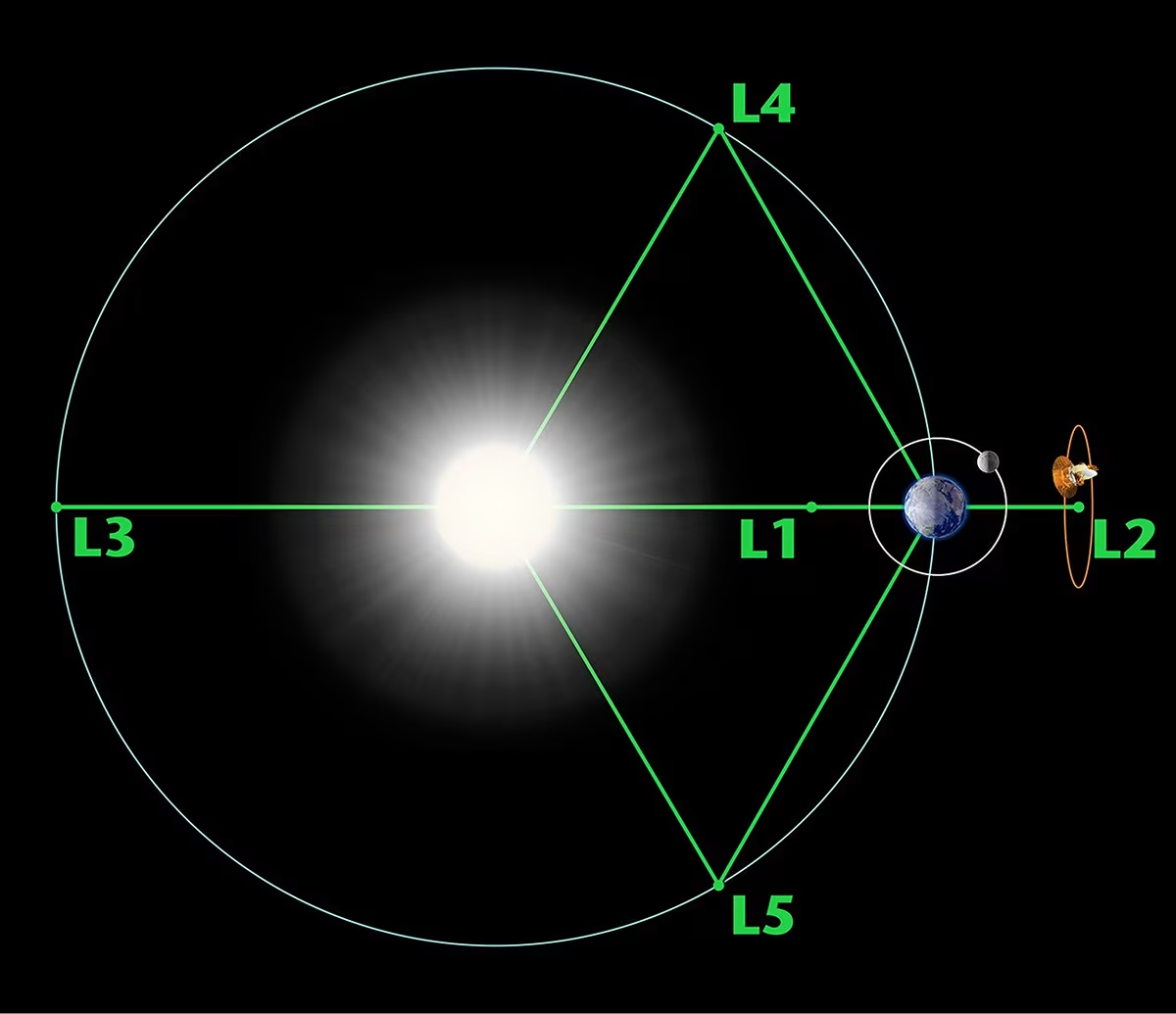
Lagrange points are special positions in space where the gravitational forces of two large masses (like the Sun and Earth) balance perfectly with the centripetal force needed for a small object to orbit with them. Named after Italian-French mathematician Joseph-Louis Lagrange, who identified these equilibrium solutions in a special case of the three-body problem in 1772, these points act as cosmic "parking spots" where spacecraft can maintain position with minimal fuel consumption.

Key Points

  • What they are: Positions where gravitational forces of two large masses balance with centripetal force, allowing objects to orbit in constant patterns with minimal energy
  • Five locations: L1, L2, L3 (unstable, on line between masses) and L4, L5 (stable, forming equilateral triangles)
  • L1: Uninterrupted Sun view, hosts SOHO satellite
  • L2: Ideal for deep-space astronomy. Located near the Sun–Earth L2 point, previously used by Planck and currently hosting the James Webb Space Telescope, providing a stable thermal environment with continuous Earth communication
  • L3: Hidden behind Sun, unused by NASA.
  • L4 & L5: Stable orbits (mass ratio >24.96 required), home to Trojan asteroids and dust concentrations
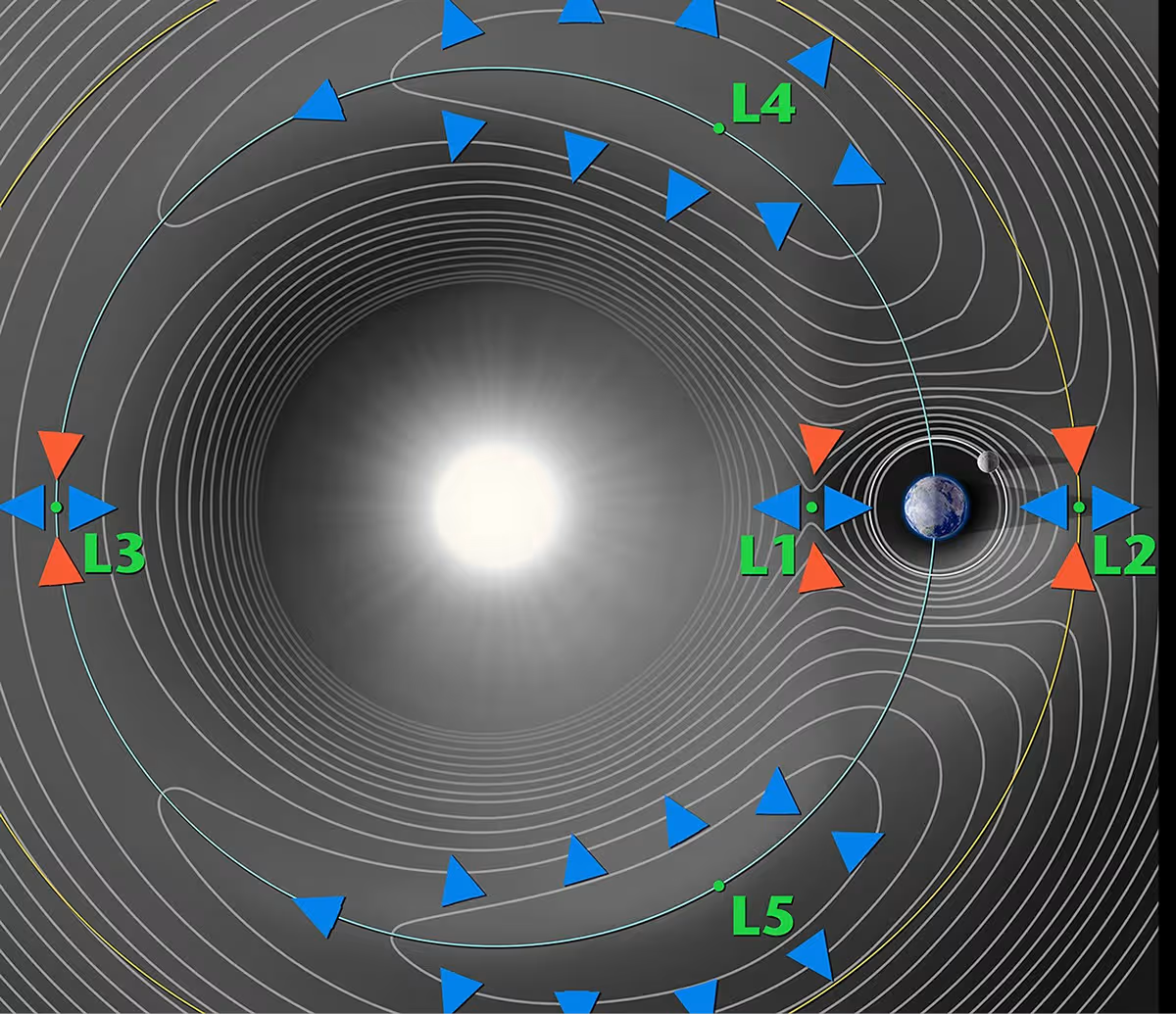
  • Stability: L1/L2/L3 are unstable and require periodic station-keeping maneuvers; L4 and L5 are stable because the combined gravitational and inertial effects in a rotating reference frame create restoring motion around the points
  • Trojans: Hundreds of asteroids at Jupiter's L4/L5, also found with Mars and Saturn's moons; Earth-Moon system has Kordylewski dust clouds; Earth's first Trojan asteroid confirmed 2010
  • Named after: Joseph-Louis Lagrange (1772 prize-winning paper)

Credit: NASA's Goddard Space Flight Center

Sun-Earth Lagrange PointsContour plot of Lagrange points
Visualizing the gravitational stability points in the Sun-Earth system. Credit: NASA/WMAP Science Team

Cosmic Calendar

If the 13.8 billion year history of the universe were compressed into a single year, here's when major events would occur. The Big Bang happens at midnight on January 1st, and the present day is midnight on December 31st.

January
February
March
April
May
June
July
August
September
October
November
December

Each event's calendar date is scaled proportionally from its age in years. 1 second on this calendar equals approximately 438 years.

Space Explorations

NameTypeLaunch YearSignificance
Sputnik 1Satellite1957First artificial satellite
Explorer 1Satellite1958First U.S. satellite; discovered Van Allen belts
Vostok 1Spacecraft1961First human in space (Yuri Gagarin)
Apollo 11Spacecraft1969First crewed Moon landing
Voyager 1 & 2Probes1977Studied outer planets; now in interstellar space
Hubble Space TelescopeObservatory1990Revolutionized deep-space imaging
International Space Station (ISS)Space Station1998Continuous human presence since 2000
James Webb Space TelescopeObservatory2021Most powerful infrared telescope
Perseverance RoverRover2020Searched for signs of ancient life on Mars
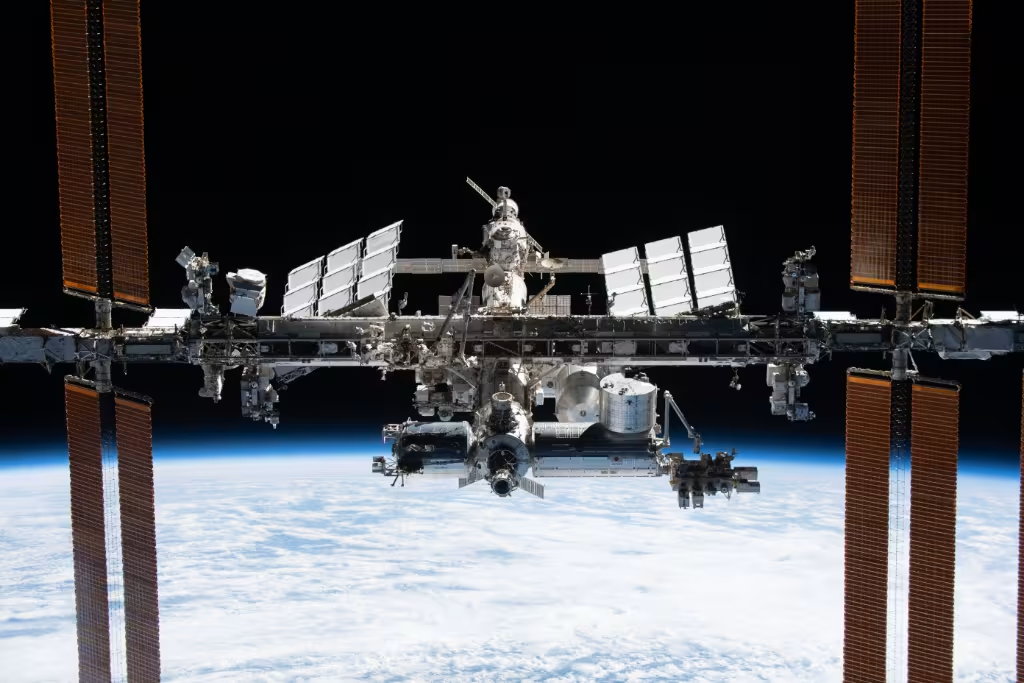
International Space Station (Credits: Nasa)

International Space Station

The ISS is a modular space station in low Earth orbit, representing a collaboration between 5 space agencies: NASA (US), Roscosmos (Russia), JAXA (Japan), ESA (Europe), CSA (Canada). The ISS is scheduled to operate till 2030, after which it will be deorbited into the Pacific Ocean in January 2031. Commercial stations like Axiom Station are expected to take over research and operations in low-Earth orbit.

International Space Station (Credits: Nasa)
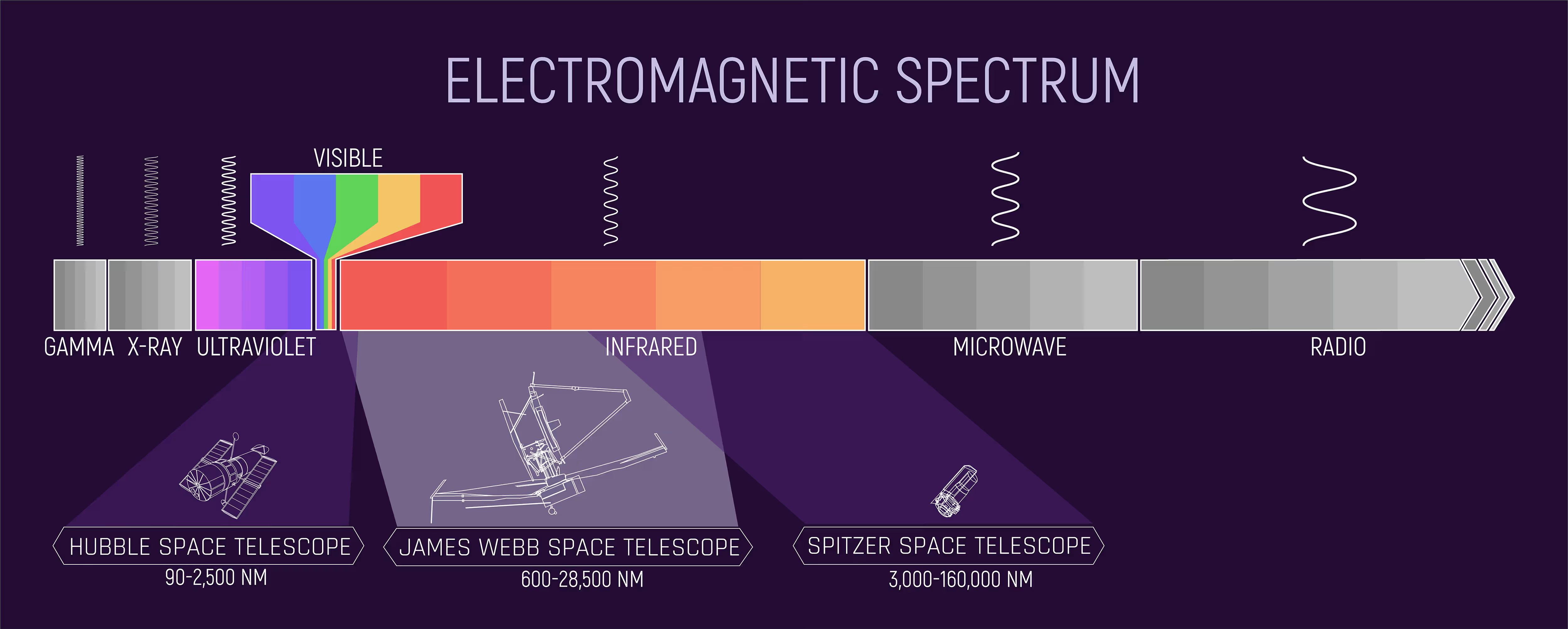
The Electromagnetic Spectrum (with Hubble, Webb, and Spitzer Highlights) | Image Credits: NASA, Joseph Olmsted (STScI)

Space Facts

Light Speed

  • Light travels at 299,792,458 m/s (~1.08 billion km/h) in vacuum - a fundamental constant of the universe
  • Objects with mass gain energy as they speed up, and reaching the speed of light would require infinite energy, making it impossible. Massless particles, like photons, have no such restriction and always travel at the speed of light in a vacuum because they don't have any rest mass to slow them down.
  • Light from the Sun takes 8 minutes 20 seconds (500 seconds) to reach Earth
  • Mach 1 (speed of sound, ~343 m/s) is about 0.0001145% of the speed of light
  • In one second, light could circle Earth 7.5 times
  • Light takes 1.3 seconds to travel from Earth to the Moon
  • In one second, light travels 299,792 kilometers (about 7.5 times around Earth's equator)
  • In one minute, light travels 17,987,547 kilometers (roughly 47 times the Earth-Moon distance)
  • In one hour, light travels 1,079,252,849 kilometers (about 1.08 billion km, or roughly 7.2 times the Earth-Sun distance)
  • In one day, light travels 25,902,068,371 kilometers (~25.9 billion km, crossing the Solar System beyond Neptune's orbit)
  • In one week, light travels 181,314,478,598 kilometers (~181 billion km, equivalent to over 600 round trips between Earth and the Sun)
  • In one month (30 days), light travels 777,062,051,136 kilometers (~777 billion km, or about 5,200 AU - reaching deep into the Oort Cloud)
  • In one Julian year (365.25 days), light travels 9,460,730,472,580 kilometers (9.46 trillion km, defining the light-year distance scale)

Geological Timeline

Hadean Eon(4.6 - 4.0 billion years ago)
Archean Eon(4.0 - 2.5 billion years ago)
Proterozoic Eon(2.5 billion - 541 million years ago)
Phanerozoic Eon(541 million years ago - present)
The Future(2026 to infinity)

The 88 Constellations

Constellations are patterns of stars as seen from Earth, named by ancient cultures. The stars aren't physically related - they're at vastly different distances but appear grouped from our perspective.

The International Astronomical Union (IAU) officially recognizes 88 constellations and defined their boundaries in 1922-1930, standardizing them for astronomical use.

#
Constellation
English Name
Notable Features
1AndromedaPrincess of EthiopiaContains the Andromeda Galaxy (M31), nearest large galaxy to the Milky Way
2AntliaAir PumpFaint constellation introduced by Nicolas-Louis de Lacaille
3ApusBird of ParadiseSmall southern constellation, bird represented without feet
4AquariusWater BearerLarge but faint zodiac constellation
5AquilaEagleHome to Altair, part of the Summer Triangle asterism
6AraAltarContains several globular clusters
7AriesRamAssociated with the Golden Fleece in Greek mythology
8AurigaCharioteerContains Capella, one of the brightest stars visible from Earth
9BoötesHerdsmanFeatures Arcturus, the fourth brightest star in the night sky
10CaelumChisel/Graving ToolVery faint constellation near Eridanus
11CamelopardalisGiraffeLarge but faint constellation representing a giraffe
12CancerCrabContains the Beehive Cluster (M44 or Praesepe)
13Canes VenaticiHunting DogsContains Cor Caroli and the Whirlpool Galaxy (M51)
14Canis MajorGreater DogContains Sirius, the brightest star in the night sky
15Canis MinorLesser DogContains Procyon, part of the Winter Triangle
16CapricornusSea GoatOne of the oldest documented constellations
17CarinaKeelContains Canopus, second brightest star, and the Carina Nebula
18CassiopeiaQueen of EthiopiaDistinctive W-shaped pattern, circumpolar in northern latitudes
19CentaurusCentaurContains Alpha Centauri, closest star system to the Sun
20CepheusKing of EthiopiaContains Delta Cephei, prototype of Cepheid variable stars
21CetusSea Monster/WhaleContains the variable star Mira
22ChamaeleonChameleonSmall, faint constellation near the south celestial pole
23CircinusCompassSmall constellation containing the Circinus Galaxy
24ColumbaDoveRepresents the dove from Noah's Ark
25Coma BerenicesBerenice's HairFamous for the Coma Star Cluster and many galaxies
26Corona AustralisSouthern CrownSmall arc of stars south of Sagittarius
27Corona BorealisNorthern CrownSmall but distinctive semicircular crown pattern
28CorvusCrowDistinctive quadrilateral shape
29CraterCupFaint constellation representing a chalice
30CruxSouthern CrossSmallest constellation, most recognizable in southern hemisphere
31CygnusSwanContains Deneb and the North America Nebula, part of Summer Triangle
32DelphinusDolphinSmall but distinctive diamond-shaped constellation
33DoradoSwordfish/DolphinfishContains the Large Magellanic Cloud
34DracoDragonLong winding constellation around the north celestial pole
35EquuleusLittle HorseSecond smallest constellation in the sky
36EridanusRiverSixth largest constellation, winding from north to south
37FornaxFurnaceContains the Fornax Cluster of galaxies
38GeminiTwinsFeatures the bright stars Castor and Pollux
39GrusCraneContains the bright star Alnair
40HerculesHerculesContains the Great Globular Cluster (M13)
41HorologiumClockFaint constellation near Eridanus
42HydraSea SerpentLargest constellation by area, stretches across 100+ degrees
43HydrusWater SnakeNot to be confused with Hydra, smaller southern constellation
44IndusIndianRepresents a Native American with arrows
45LacertaLizardSmall, faint zigzag pattern between Cygnus and Andromeda
46LeoLionProminent spring constellation with the bright star Regulus
47Leo MinorLesser LionFaint constellation between Leo and Ursa Major
48LepusHareBelow Orion's feet, contains the globular cluster M79
49LibraScalesOriginally part of Scorpius, representing the scorpion's claws
50LupusWolfContains several bright stars and globular clusters
51LynxLynxLong, faint constellation requiring good eyesight to see
52LyraLyreSmall but prominent, contains Vega (brightest star in north summer sky)
53MensaTable MountainContains part of the Large Magellanic Cloud
54MicroscopiumMicroscopeFaint constellation south of Capricornus
55MonocerosUnicornContains the Rosette Nebula and Cone Nebula
56MuscaFlySmall constellation near the south celestial pole, originally called Apis
57NormaCarpenter's SquareSmall constellation in the Milky Way
58OctansOctantContains the south celestial pole
59OphiuchusSerpent BearerThe '13th zodiac' constellation the Sun passes through
60OrionHunterMost recognizable constellation, contains Betelgeuse, Rigel, and Orion Nebula
61PavoPeacockContains the globular cluster NGC 6752
62PegasusWinged HorseFeatures the Great Square of Pegasus asterism
63PerseusHeroContains the Double Cluster and Algol (the Demon Star)
64PhoenixPhoenixNamed after the mythical bird that rises from ashes
65PictorPainter's EaselContains Beta Pictoris, a star with a debris disk
66PiscesFishFaint constellation connecting two fish with a V-shaped asterism
67Piscis AustrinusSouthern FishContains the bright star Fomalhaut
68PuppisSternPart of the former Argo Navis, contains several star clusters
69PyxisCompass BoxPart of the former Argo Navis
70ReticulumReticleSmall constellation representing a grid or net
71SagittaArrowThird smallest constellation, simple arrow shape
72SagittariusArcherPoints toward the galactic center, rich in nebulae and star clusters
73ScorpiusScorpionFeatures the red supergiant Antares and many star clusters
74SculptorSculptorContains the Sculptor Galaxy and the south galactic pole
75ScutumShieldSmall but rich in deep-sky objects, contains Wild Duck Cluster
76SerpensSerpentOnly constellation split into two parts (Caput and Cauda)
77SextansSextantFaint constellation on the celestial equator
78TaurusBullContains the Pleiades and Hyades star clusters, and Aldebaran
79TelescopiumTelescopeFaint southern constellation
80TriangulumTriangleSmall triangle, contains the Triangulum Galaxy (M33)
81Triangulum AustraleSouthern TriangleMore prominent than its northern counterpart
82TucanaToucanContains the Small Magellanic Cloud and globular cluster 47 Tucanae
83Ursa MajorGreat BearContains the Big Dipper asterism and many galaxies
84Ursa MinorLittle BearContains Polaris, the North Star
85VelaSailsPart of former Argo Navis, contains the Vela Supernova Remnant
86VirgoMaidenContains Spica and the massive Virgo Cluster of galaxies
87VolansFlying FishSmall constellation near the Large Magellanic Cloud
88VulpeculaFoxContains the Dumbbell Nebula (M27)

Glossary

This table lists selected astronomy glossary terms, highlighting key concepts to provide a clear foundation.

#TermDescription
1Accretion DiskA disk of matter spiraling into a massive object like a black hole
2Active Galactic Nucleus (AGN)An extremely bright central region of a galaxy powered by a supermassive black hole
3Astronomical Unit (AU)The average distance between Earth and the Sun, about 150 million kilometers
4AuroraA natural light display caused by charged particles from the Sun interacting with Earth's atmosphere
5Big BangThe prevailing cosmological model describing the universe's expansion from an extremely hot, dense state
6Binary StarTwo stars that orbit around their common center of mass
7Black HoleA region of spacetime where gravity is so strong that nothing, not even light, can escape
8BlueshiftThe shortening of wavelengths as an object moves toward the observer
9Brown DwarfA failed star that lacks sufficient mass to sustain hydrogen fusion
10Carbon PlanetA hypothetical terrestrial planet with carbon-to-oxygen ratio >1, composed of carbides, graphite, and potentially diamond rather than silicate rocks.
11Cepheid VariableA type of pulsating star used to measure cosmic distances
12CometAn icy celestial body that releases gas and dust, forming a visible tail when near the Sun
13Cosmic Microwave BackgroundThe faint radiation left over from the Big Bang
14Cosmic RaysHigh-energy particles from space that strike Earth's atmosphere
15Cosmic WebThe large-scale structure of the universe consisting of galaxies, galaxy clusters, and filaments
16Dark EnergyA mysterious force causing the accelerated expansion of the universe
17Dark MatterInvisible matter that doesn't emit light but exerts gravitational force
18Desert WorldAn arid terrestrial planet with minimal surface water, negligible precipitation, and typically a thin atmosphere (e.g., Mars).
19Doppler ShiftThe change in wavelength of light from moving objects
20Dwarf PlanetA celestial body that orbits the Sun and is massive enough to be rounded by gravity but hasn't cleared its orbital path
21Earth-like PlanetA rocky planet with similar size, mass, and composition to Earth, orbiting within its star's habitable zone where liquid water could potentially exist.
22EclipseWhen one celestial body moves into the shadow of another
23Electromagnetic SpectrumThe complete range of electromagnetic radiation from radio waves to gamma rays
24Elliptical GalaxyA galaxy with an ellipsoidal shape and smooth, nearly featureless appearance
25Emission LinesBright lines in a spectrum at specific wavelengths emitted by atoms
26Escape VelocityThe minimum speed needed for an object to escape a celestial body's gravitational pull
27Event HorizonThe boundary around a black hole beyond which nothing can escape
28ExoplanetA planet that orbits a star outside our solar system
29Galactic CenterThe rotational center of a galaxy, often containing a supermassive black hole
30Galactic HaloA roughly spherical region surrounding a galaxy containing old stars and globular clusters
31GalaxyA massive system of stars, stellar remnants, gas, dust, and dark matter bound together by gravity
32Galaxy ClusterA gravitationally bound group of hundreds to thousands of galaxies
33Gas GiantA large planet composed mainly of hydrogen and helium (like Jupiter or Saturn)
34Goldilocks ZoneThe habitable zone around a star where conditions might support liquid water
35Gravitational LensingThe bending of light around massive objects due to gravity
36Habitable-Zone PlanetA planet orbiting within the circumstellar range where stellar flux allows liquid water to persist on the surface, given sufficient atmospheric pressure.
37Hubble ConstantThe rate at which the universe is expanding
38Ice GiantA planet composed mainly of elements heavier than hydrogen and helium (like Uranus or Neptune)
39Lagrange PointsStable orbital positions where gravitational forces balance
40Light YearThe distance light travels in one year, approximately 9.46 trillion kilometers
41MagnetosphereThe region around a planet dominated by its magnetic field
42Main Sequence StarA star in the stable phase of its life, fusing hydrogen into helium in its core
43MeteorA streak of light produced when a meteoroid enters Earth's atmosphere
44MoonA natural satellite that orbits a planet or other celestial body
45MultiverseA hypothetical collection of multiple universes
46NebulaA giant cloud of dust and gas in space, often the birthplace of stars
47Neutron StarAn extremely dense stellar remnant composed primarily of neutrons
48Ocean WorldA planetary body with a global or near-global layer of liquid water, either as a surface ocean or a substantial subsurface sea beneath an ice crust.
49OrbitThe curved path of a celestial object around a star, planet, or moon
50ParsecA unit of distance equal to about 3.26 light years
51ProtostarA young star still gathering mass from its surrounding molecular cloud
52PulsarA highly magnetized rotating neutron star that emits beams of electromagnetic radiation
53QuasarAn extremely luminous active galactic nucleus powered by a supermassive black hole
54Quasi-SatelliteA co-orbital object in 1:1 orbital resonance with a planet, appearing to loop around it while actually orbiting the Sun beyond the planet's Hill sphere.
55Radio GalaxyA galaxy that emits strong radio waves from jets powered by its central black hole
56Red GiantA large, luminous star in a late stage of stellar evolution
57RedshiftThe stretching of light wavelengths as an object moves away from the observer
58RelativityEinstein's theories describing gravity and motion at high speeds
59Roche LimitThe distance within which tidal forces will tear apart a satellite
60RoverA robotic vehicle designed to explore the surface of planets or moons
61SatelliteAn artificial object placed into orbit around a celestial body
62Seyfert GalaxyA type of active galaxy with a bright nucleus and strong emission lines
63SingularityA point of infinite density and zero volume, such as at the center of a black hole
64Solar FlareA sudden eruption of electromagnetic radiation from the Sun's surface
65Solar FlareA sudden eruption of energy and radiation from the Sun's surface
66Solar WindA continuous stream of charged particles flowing outward from the Sun
67Space StationA habitable artificial satellite designed for humans to live in space
68SpacecraftA vehicle designed for travel or operation in outer space
69SpacetimeThe four-dimensional continuum combining space and time
70Spectral ClassA classification of stars based on their temperature and spectral characteristics
71SpectroscopyThe study of light broken down into its component wavelengths
72Spiral ArmsRegions of higher star density that wind outward from a galaxy's center
73Spiral GalaxyA galaxy with a flat, rotating disk containing stars, gas, and dust with spiral arms
74Starburst GalaxyA galaxy undergoing an intense period of star formation
75SunspotA temporary dark region on the Sun's surface that is cooler than surroundings
76Super-EarthAn exoplanet with mass between ~2–10 Earth masses or radius between 1–4 Earth radii, larger than Earth but smaller than ice giants like Neptune.
77SupergiantAn extremely large and luminous star in a late stage of evolution
78SupernovaA powerful stellar explosion that occurs at the end of a massive star's life
79Terrestrial PlanetA rocky planet similar to Earth, Mercury, Venus, or Mars
80Terrestrial PlanetA rocky planet composed primarily of silicates, metals, or carbonaceous material with a solid surface; lacks the thick hydrogen-helium envelope of gas giants.
81Tidal ForceThe differential gravitational pull experienced by an extended body
82Variable StarA star whose brightness fluctuates over time
83VoidA vast, nearly empty region of space between galaxy filaments
84White DwarfThe dense remnant core of a star that has exhausted its nuclear fuel
85WormholeA hypothetical tunnel through spacetime connecting distant regions

Disclaimer

Space and astronomy is one of my favorite hobbies and something I follow pretty obsessively. Ever since vibe coding became a thing, I've been building random projects in this space like a daily image Telegram bot, a Bluesky feed, a dedicated Bluesky channel, and now this.

While every effort has been made to ensure the accuracy and currency of the data, the field of astronomy is rapidly evolving. New discoveries are made every day. From the confirmation of new exoplanets by the James Webb Space Telescope to refined measurements of the cosmic microwave background. Some figures, such as the exact number of confirmed moons, asteroid counts, or precise orbital parameters, may change as scientific consensus updates.

Understanding the universe gives life meaning, you know? Everyone asks at some point: who are we, where are we, why are we here? There are tons of philosophical takes on this, but when you see images and videos of new discoveries, the reality hits different. You realize just how tiny we actually are.

Neptune, the last planet in our solar system, is 4.5 billion km away (30.07 AU). The outer edge of the Oort cloud? About 3,300 times farther than that. Our nearest star system, Proxima Centauri, is 4.24 light years away, roughly 40.1 trillion km. The Milky Way spans 100,000 to 150,000 light years. Andromeda, our nearest major galaxy, is 2.537 million light years away. These numbers are just a reminder that we're basically nothing in this universe. We're limited by our own inventions, and there's only so much we can learn for ourselves and future generations.

Cosmic timescales and star system formation are wild. The way we normally think about time just doesn't work at that scale.

Unless some sci-fi level breakthrough happens, we're stuck with the limits of current technology for cosmic exploration. Still, we've sent unmanned missions into interstellar space and walked on the Moon, which is pretty wild.

We might not see truly huge achievements in our lifetime, but the trajectory is there. In just over a century, we went from the ground to the air, to walking on another world, to sending probes to different planets. On a cosmic timescale, these are still huge achievements.

Quick note: everything I've learned comes from internet resources and LLMs. All the data I mention is sourced from NASA and ESA, with help from various LLMs for aggregation and verification. There might still be some inaccuracies, so please let me know if something's wrong or misrepresented. I tried to cover the basics in a way that sparks curiosity.

Sure, there are super customizable AI agents for learning now, but they lack curation. From my experience, learning isn't linear. I always end up down rabbit holes when researching a new discovery because there's so much I don't know yet. That's why I made a task list of things I wanted to cover first.

This started as just a solar system animation project, but my mind kept pushing and here we are with a long single page deep dive into the universe. Honestly, I learned a ton while building this. And there's still so much more I want to explore.

Images credit: NASA, ESA, and other space agencies and other research centers.